The projected depletion of the Social Security trust fund by 2033 has raised nationwide concern among retirees and policymakers. Social Security has served as a dependable source of retirement income since 1935, supporting millions of Americans through old age, disability, or survivor benefits. However, changing demographics and economic pressures are now testing its financial stability.
For decades, Social Security operated with a surplus, collecting more payroll taxes than it paid out. But as baby boomers retire and birth rates decline, the balance has shifted. The Social Security Trustees now project that the trust fund reserves could be exhausted by 2033, leading to automatic benefit reductions unless new funding measures are introduced.
Table of Contents
Understanding the Social Security Trust Fund
Social Security is primarily funded through payroll taxes paid by workers and employers. Each contributes 6.2% of wages under the Federal Insurance Contributions Act (FICA), while self-employed individuals pay both portions. The funds collected are immediately used to pay current beneficiaries, and any surplus is invested in U.S. Treasury securities, forming the trust funds known as the Old-Age and Survivors Insurance (OASI) and Disability Insurance (DI) programs.
For decades, these reserves helped ensure stable payments, but today, benefits exceed revenue. This imbalance means the system is drawing from its savings faster than it can replenish them.
What Happens in 2033?
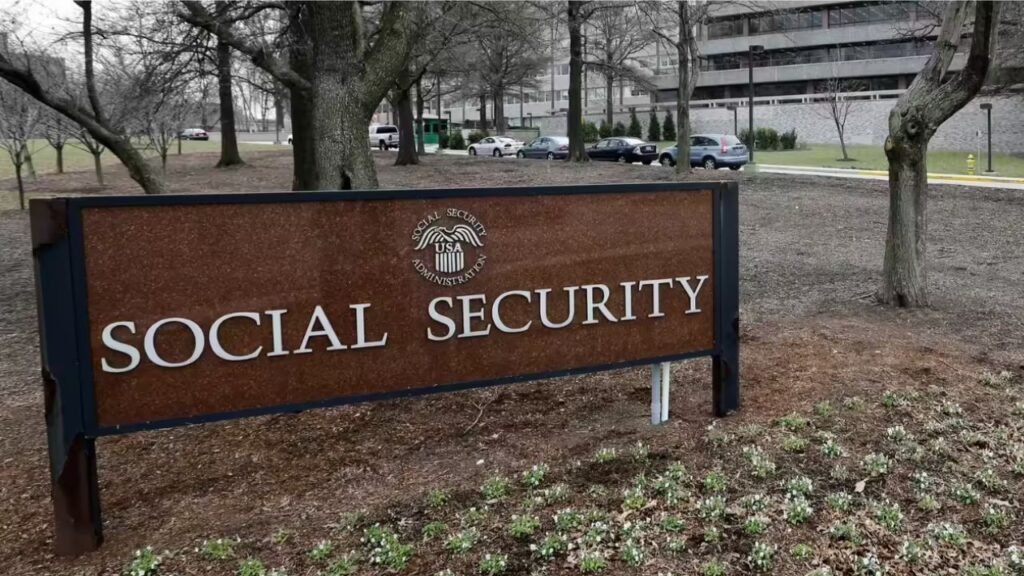
When the trust fund runs out in 2033, Social Security will not stop paying benefits. Instead, it will rely entirely on incoming payroll taxes. Current projections show these taxes will cover about 77%-80% of scheduled benefits, which means retirees could face a 20%-23% benefit cut.
For example, a retiree who currently receives $1,800 per month could see their payment fall to roughly $1,400. While the program will continue operating, this reduction could deeply affect retirees who rely primarily on Social Security for income.
Why the Trust Fund Is Running Out
- Aging Population: More Americans are living longer and drawing benefits for extended periods.
- Declining Birth Rates: Fewer workers are contributing to support growing numbers of retirees.
- Payroll Tax Cap: Earnings above $168,600 (as of 2024) are not taxed for Social Security, limiting revenue.
- Economic Changes: Shifts in employment and income inequality have reduced overall payroll tax collections.
States Facing the Most Pressure
| Factor | Impact on Social Security Funding |
|---|---|
| Worker-to-Retiree Ratio | Fewer workers supporting more retirees reduces sustainability |
| Longevity Growth | Longer lifespans mean longer benefit periods |
| Wage Inequality | Concentration of income above tax cap limits contributions |
| Retirement Wave | Baby boomer retirements accelerate fund depletion |
Policy Options Being Discussed
Lawmakers are considering multiple ways to preserve the system:
1. Raise the Payroll Tax Cap: Increasing or removing the income ceiling would allow higher earners to contribute more.
2. Adjust Payroll Tax Rates: Even a small rate increase could bring significant long-term revenue.
3. Gradually Raise Retirement Age: Aligning benefits with longer lifespans is being debated but faces criticism.
4. Modify Benefit Formulas: Reducing benefits for high-income retirees could target resources to those most in need.
5. Diversify Investments: Allowing limited investment in equities could boost returns but carries risks.
What Retirees Should Do Now
Retirees and near-retirees should not panic but plan proactively. Benefits will not vanish, and Congress has a history of intervening to stabilize Social Security. To stay financially prepared, retirees should consider diversifying income through personal savings, pensions, or part-time work. Staying informed about legislative changes can also help manage expectations and financial plans.
Broader Economic Implications
If benefit cuts occur, the effects will ripple through the economy. Social Security payments support consumer spending on housing, food, and healthcare. A 20% cut could reduce local spending, increase senior poverty rates, and strain public welfare programs. Conversely, timely reforms could protect retirees while maintaining economic stability.
Looking Ahead
The 2033 depletion forecast is a warning but not a crisis. The system will continue to function, though at reduced levels without reform. Lawmakers have several years to act, and small, gradual policy adjustments could ensure sustainability for future generations. For retirees, understanding these changes and preparing accordingly is key to maintaining long-term financial security.
FAQ
- Will Social Security end in 2033?
No. The program will continue, but if no reforms are made, benefits could be reduced by about 20%–23%. - Why is the Social Security fund depleting?
More retirees, longer lifespans, and fewer workers paying into the system have reduced revenue compared to benefit payments. - Can Congress fix the issue?
Yes. Lawmakers can adjust tax rates, raise the payroll cap, or modify benefits to restore balance. - What can retirees do to prepare?
Retirees should diversify income through savings or part-time work and stay informed about policy changes. - How will benefit cuts affect the economy?
Reduced payments would lower consumer spending, potentially slowing local economies and increasing financial stress for seniors.