Several states in the U.S. are introducing new rules that restrict the purchase of certain processed and sugary foods using SNAP benefits. These changes aim to promote healthier eating habits and reduce medical costs, but they have sparked debate over limitations on food choices for low-income families.
Table of Contents
What is the SNAP Program
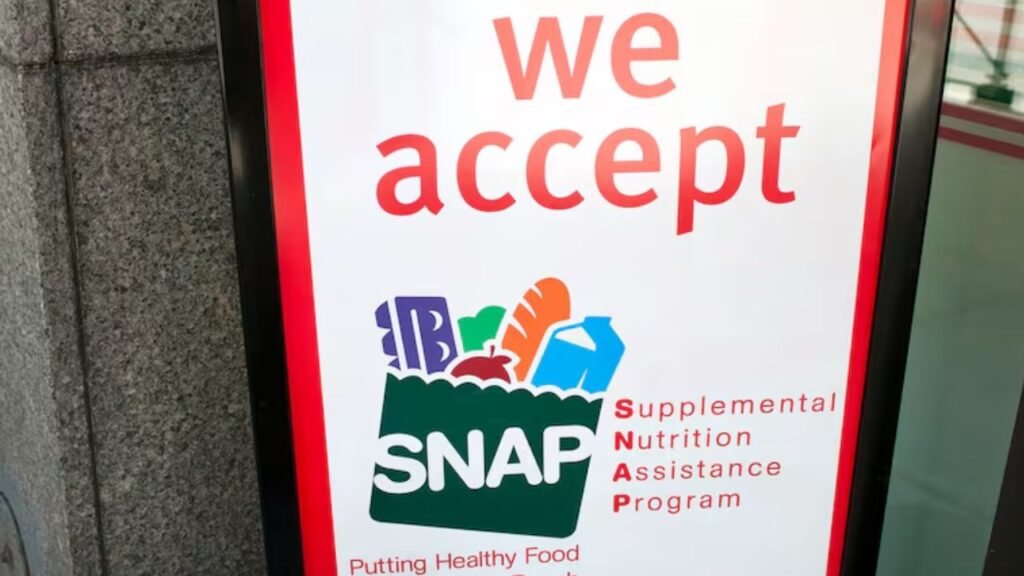
SNAP, formerly known as food stamps, is a federal program that provides food assistance to low-income households through an electronic benefit card (EBT). Managed by the USDA’s Food and Nutrition Service, SNAP supports families, seniors, and people with disabilities. Eligibility depends on household size, income, and certain expenses. As of 2023, over 42 million Americans more than 12.5% of the population used SNAP each month.
States Approved for New SNAP Food Restrictions
In August 2025, six states were granted permission to limit the types of foods that can be purchased with SNAP benefits. These are Texas, Oklahoma, Louisiana, Colorado, Florida, and West Virginia. They join six other states approved earlier in 2025, bringing the total to twelve.
| Year | States With SNAP Restrictions |
|---|---|
| 2025 (Active) | Arkansas, Idaho, Indiana, Iowa, Nebraska, Utah |
| 2026 (New) | Texas, Oklahoma, Louisiana, Colorado, Florida, West Virginia |
Foods Being Banned Under the New Rules
The restrictions mainly target sugary and processed items. Commonly banned products include:
- Soft drinks and soda
- Candy
- Energy drinks
- Certain desserts and baked goods
Some states have additional limits. Florida will restrict prepared desserts like cakes and pies, Iowa will block most taxable snacks except seeds or plants for growing food, and Arkansas will prohibit juice drinks containing less than 50% real fruit or vegetable juice.
Why These Changes Are Being Made
The new SNAP rules are part of a national initiative to improve nutrition called “Make America Healthy Again.” Officials say the goal is to help families purchase more nutritious foods while reducing taxpayer spending on items that contribute to chronic diseases such as diabetes. Experts emphasize that the changes are particularly important for children and low-income families who rely heavily on SNAP.
When Will the Changes Start
The new restrictions for Texas, Oklahoma, Louisiana, Colorado, Florida, and West Virginia will go into effect in 2026. The previously approved states Arkansas, Idaho, Indiana, Iowa, Nebraska, and Utah began enforcing their rules in late 2025 or will do so by early 2026. These waivers may set a precedent for more states to follow in the coming years.
Frequently Asked Questions (FAQs)
1. Which states will have new SNAP food restrictions in 2026?
Texas, Oklahoma, Louisiana, Colorado, Florida, and West Virginia.
2. What types of foods are being banned under SNAP?
Sugary drinks, candy, energy drinks, certain desserts, and some processed foods.
3. Why are these new SNAP rules being implemented?
To encourage healthier eating, reduce medical costs, and support better nutrition among low-income families.
4. When will the new restrictions start?
The rules in the six newly approved states will take effect in 2026, while earlier approved states are enforcing them by late 2025 or early 2026.
5. Will more states adopt similar SNAP restrictions?
It is possible, as the program aims to encourage healthier diets nationwide. States may follow the example set by the first twelve approved states.